Used car test drive: what to check in 20 minutes
A 20-minute test drive plan for a used car: cold start, gearbox, brakes at speed, steering, suspension and a final check of the electronics.
Twenty minutes behind the wheel tell you more about a car than an hour of talking next to it. The condition is to have a plan: what to listen for, what to press and what to provoke, and in which order. Below is that plan, split into five areas.
The cold start: the first minute matters most
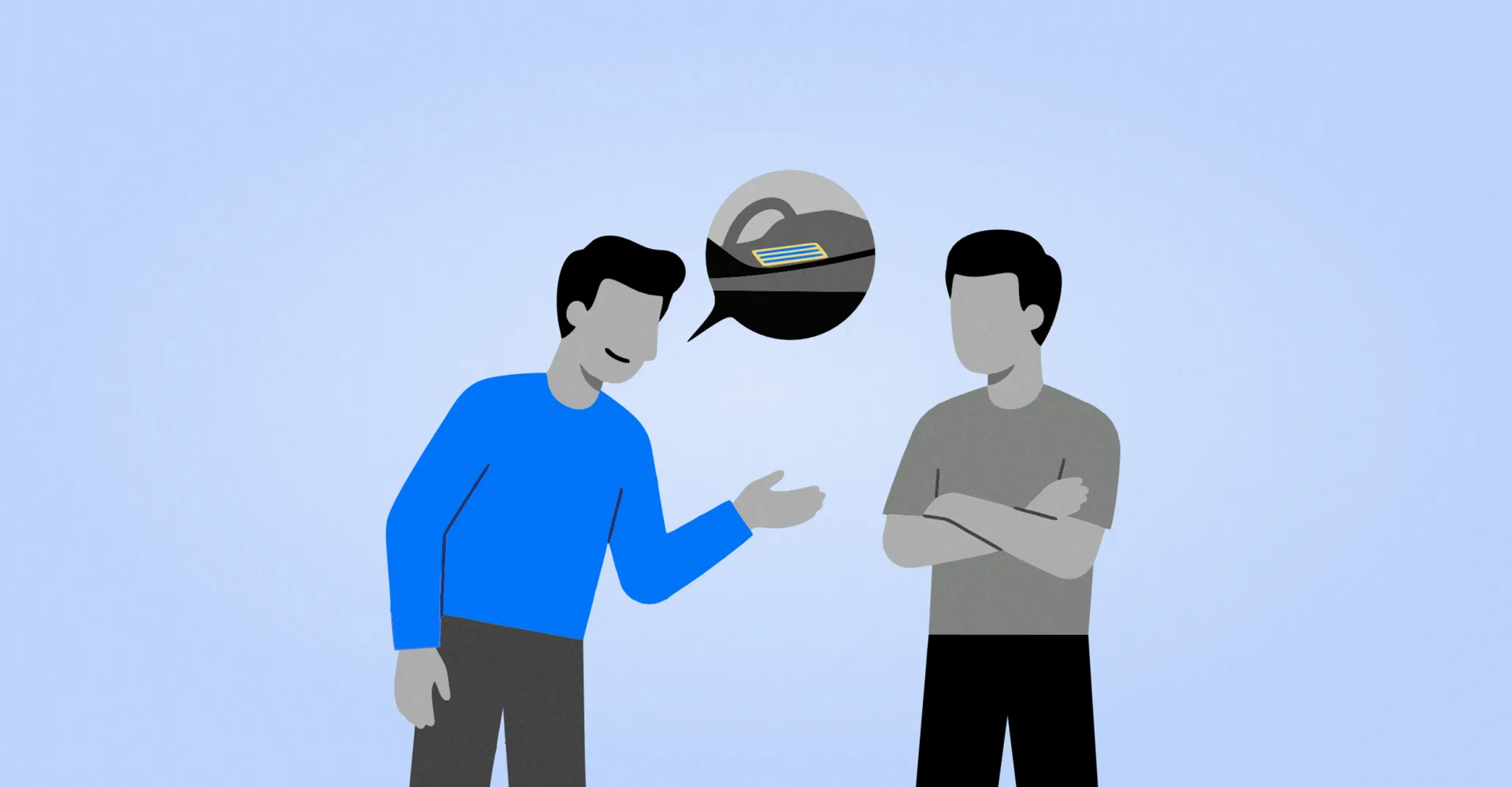
Book the viewing for the morning and ask the seller not to start the car before you arrive. Put your palm on the bonnet when you get there: if it is warm, the engine was warmed up on purpose, and that hides exactly what you want to hear. A cold engine brings out misfires, tappet noise, bluish smoke from the exhaust and an unsteady idle. Let the engine run for a minute without touching the throttle and listen with the window down. Exhaust smoke has its own vocabulary: bluish means burnt oil, persistent white means coolant, black means an over-rich mixture. Look under the car for fresh oil or coolant stains and glance into the expansion tank: oil in the coolant gives away a head gasket.
How to test the gearbox, manual or automatic
With a manual gearbox, go through every gear, up and down. A very high clutch biting point means a clutch near the end of its life, and a rumble that disappears when you press the pedal comes from the release bearing. Accelerate firmly in third gear from low revs: if the revs rise but the car doesn't pick up speed, the clutch is slipping. A burning smell after a few hill starts confirms it.
With an automatic, the shifts between R and D on a cold engine matter: a hard knock in the driveline is a bad sign. Then watch the shifts on the move, they should be almost imperceptible. Jolts between gears, hesitation on kickdown and vibration at a steady speed announce repairs that cost thousands.
Brakes are tested at speed, not in a car park
On a clear road, brake firmly from 80-100 km/h. A steering wheel that pulls to one side points to a sticking caliper or an alignment problem. Pulsing in the pedal and the steering wheel means warped discs. A soft pedal that sinks towards the floor under steady pressure points to air in the system or a tired master cylinder, and a metallic grinding says the pads are worn out. If the road allows it, brake harder to feel the ABS working through the pedal. Finally, pull the handbrake on a gentle slope: the car should hold within 3-4 clicks.
Steering and suspension: tight turns and bumps
In an empty car park, turn the wheel to full lock left and right and drive slowly in a circle, both ways. Rhythmic clicking comes from the CV joints, a repair that never appears in an advert. On a straight road, loosen your grip on the wheel a little: the car should keep its line on its own, without pulling to the side, and the steering should have no play. Then find a few bumps or speed humps: dull knocks come from bushes, track rod ends or strut mounts, and prolonged bouncing after a bump points to worn dampers. Before you leave the car, look at the tyre wear too: an inner edge worn on one side only points to bad alignment or, worse, a body straightened after an accident.
The electronics, and the seller who refuses a test drive
Keep 3-4 minutes at the end for the electronics: windows, air conditioning switched on from cold, seat heating, headlights, indicators, wipers, the audio system, cameras and parking sensors. When you switch the ignition on, every warning light on the dashboard should come on and then go out. A light that never comes on, especially the airbag light, can mean a bulb removed on purpose.
A seller who refuses a test drive, limits it to a lap around the block or insists on driving it themselves is telling you one thing: the car has something to hide at speed or when warm. The usual excuses sound the same everywhere: "it isn't insured", "I'm in a hurry today", "bring the money and test it after the deposit". None of them holds up. You can end the viewing on the spot, with no regrets.
Road noises and what they can mean
- Knocks over bumps: worn bushes, drop links or dampers.
- Squealing or vibration when braking: worn discs or pads, sometimes warped discs.
- A hum that rises with speed: usually a wheel bearing.
- Clicks in tight turns: worn CV joints, especially on front-wheel-drive cars.
- Clutch judder when pulling away or a metallic rattle at idle: a worn clutch or dual-mass flywheel.
- Whistling under acceleration: it can be the turbo or an air leak in the intake.
- Jolts between gears on an automatic: the gearbox needs checking, sometimes an oil change, sometimes an expensive repair.
None of these is a certain diagnosis. They are signs to ask for a workshop inspection and to put on your negotiation list.
The checklist, in short
- Cold engine on arrival: put your hand on the bonnet.
- Start-up: the warning lights come on and go out, no heavy smoke from the exhaust.
- Idle: quiet, no strong vibration or metallic noise.
- Gearbox: gears engage easily, no jerks on an automatic.
- Brakes: hard braking from 50-60 km/h, the car keeps a straight line.
- Steering: the wheel is straight when driving straight, no noticeable play.
- Suspension: no knocks over bumps.
- Electronics: windows, climate control, mirrors, lights, infotainment, sensors.
- At the end: warm engine, no oil or fluid stain under the car after a few minutes parked.
Before and after the test drive
A good test drive tells you how the car feels today. What happened to it before, from damage to a rolled-back odometer, can't be felt from the driver's seat. Check the history by VIN before the viewing (see a sample report), so you know which areas to focus on during the drive. After the test drive, if the car convinces you, take it to a workshop for an inspection on a lift and read which documents to check before you pay.
Frequently asked questions
How long should a proper test drive take?
About 20 minutes, with a cold start, a mixed route and a few minutes for the electronics at the end. A 5-minute lap around the block shows you almost nothing.
Why does a cold start matter?
A cold engine brings out misfires, tappet noise and exhaust smoke. An engine warmed up in advance hides exactly these problems.
What should I do if the seller refuses a test drive?
Treat the refusal as an answer. A healthy car has no reason to avoid the road, so move on to the next advert.
Should I check the history before the test drive?
It is more efficient. If the history shows damage or odd mileage readings, you know what to focus on during the drive, or you skip the viewing and save time.
What does a knocking noise over bumps mean?
Usually worn suspension parts: bushes, drop links or dampers. It is not a certain diagnosis, but a reason to ask for a workshop inspection and to negotiate the price.

With over 15 years of experience in sales and a solid track record in the premium car segment, Marius brings to Certcar's content a perspective shaped directly by working with people and the used car market. The articles are practical and easy to understand, built on the real situations and questions that come up when buying a car.