The seller doesn't want to give you the VIN: what could they be hiding?
Find out why it's important to receive the VIN before viewing, what the seller's refusal might be hiding, and how to check if the VIN matches the car and documents.
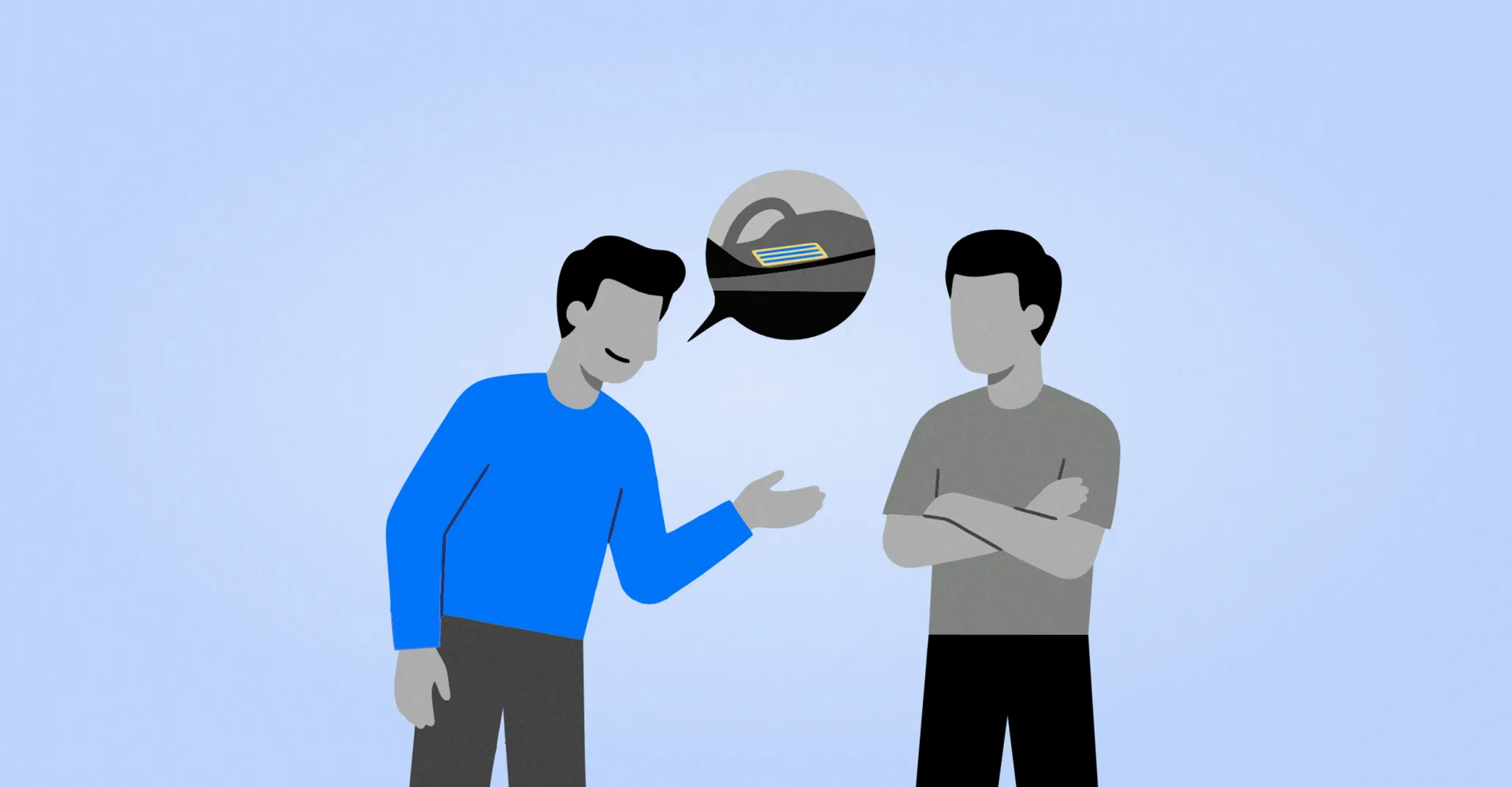
Refusal to provide the VIN must be treated with caution
When buying a second-hand car, the VIN is one of the first pieces of information you should request.
It allows for vehicle identification and verification of available information regarding mileage, damage, previous photos, service history, commercial use, and other important events.
The seller's refusal to provide the VIN does not automatically prove that the car has problems. However, it represents a warning sign, especially if the refusal is accompanied by unclear explanations, pressure to buy, or avoidance of other checks.
A transparent seller should understand why a potential buyer wants to check the car before wasting time and money on viewing it.
What is the VIN?
The VIN is the unique vehicle identification code. For most modern cars, it consists of 17 characters.
The number can be found:
- in the registration certificate;
- in the vehicle's identity card;
- on the lower part of the windscreen;
- on the pillar or frame of a door;
- in the engine compartment;
- on the bodywork or chassis, depending on the model.
The exact position differs depending on the manufacturer. A car may have the VIN displayed or inscribed in multiple locations.
All numbers must match the vehicle's documents.
Why do you need the VIN before viewing?
Checking the number before viewing can help you determine if it's worth continuing the buying process.
Using the VIN, you can check, depending on the available information:
- the exact make and model;
- the year or period of manufacture;
- the engine;
- technical specifications;
- factory fitted options;
- recorded mileage values;
- damage and accidents;
- repair estimates;
- older photos;
- auction appearances;
- service history;
- use as a taxi, rental, or fleet vehicle;
- theft records;
- MOT validity;
- estimated market value.
If the report indicates significant problems, you can ask for explanations before going to view it or decide that the car is not worth the time and cost of an inspection.
Why do some sellers refuse to provide the VIN?
The reasons can vary, and not all indicate an attempt at fraud.
Some sellers fear that the number could be copied and used in fake adverts. Others mistakenly believe that the VIN should be kept secret or do not wish to publish it directly in the advert.
There is a difference between not displaying the number publicly and refusing to offer it to an interested buyer.
A seller may prefer to send the VIN privately, after a phone discussion. This approach can be reasonable. However, a complete refusal, without a clear explanation, must be carefully considered.
What could the seller's refusal be hiding?
A seller may avoid providing the number to prevent the verification of information that contradicts the advert.
Possible situations include:
- higher mileage in previous records;
- significant accidents or damage;
- photos of the car before repair;
- appearances in damaged vehicle auctions;
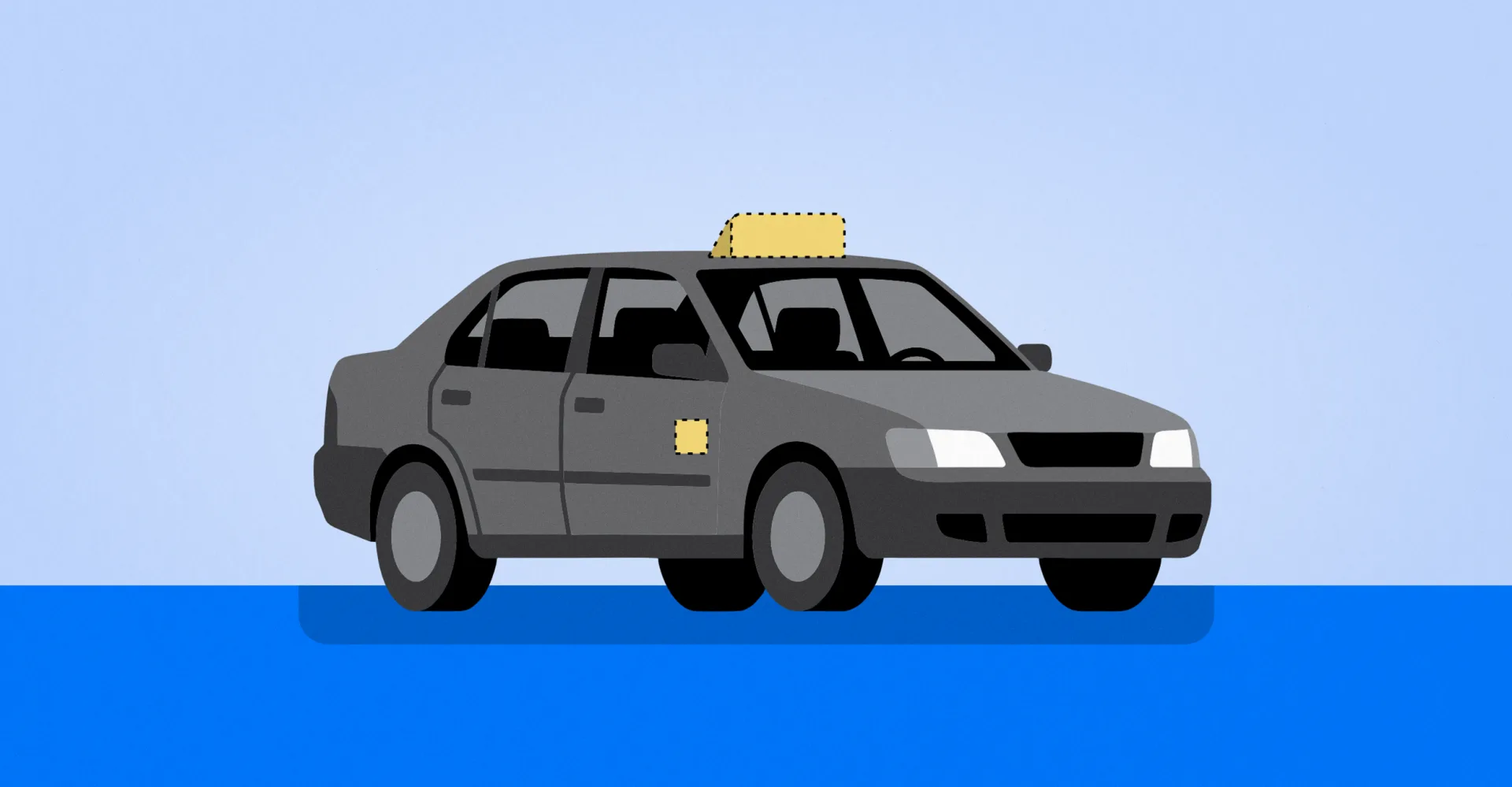
- previous use as a taxi or rental;
- lack of promised service history;
- different features than declared;
- a different year of manufacture;
- different origin;
- theft records;
- discrepancies between the car and documents.
Refusal does not confirm the existence of these problems, but it prevents their verification. The buyer must ask why essential information is being hidden.
Explanations that should make you think
Be careful if the seller says:
- "The VIN is only provided after you come to see the car";
- "There's nothing to check, the car is immaculate";
- "The report is not relevant";
- "I'll show you the documents only after you pay the deposit";
- "The VIN contains personal data";
- "I've checked it myself and that's enough";
- "You need to decide quickly, I have other buyers";
- "I don't send photos of the documents or the number".
None of these statements alone proves the existence of a problem. However, together with the refusal of verification, they can indicate a high-risk transaction.
Do not pay a deposit just to receive the VIN.
Is it dangerous for the seller to provide the VIN?
The VIN is visible on many cars through the windscreen and is commonly used for vehicle identification.
However, the seller may avoid publishing complete documents, as these may contain personal data or other information not necessary for the buyer.
A balanced solution is to send the VIN in text format or via a photo where other personal data is covered.
The buyer needs the complete and correct number, not a full photo of the owner's identity document.
Is it enough to receive only the last characters?
No. For correct verification, you need the complete VIN.
The last characters can help with internal vehicle identification in certain situations, but they are not sufficient for generating a complete report and comparing the number with the documents.
If the seller only provides part of the VIN, request the complete number before making a decision.
Check if the VIN received belongs to the car in the advert
Receiving a number does not guarantee that it belongs to the vehicle presented.
Start by decoding the VIN and compare the results with the advert:
- make;
- model;
- year of manufacture;
- body type;
- engine;
- fuel;
- transmission;
- power;
- colour;
- available features.
If the number identifies a different model, different engine, or different year, ask for clarification.
Some differences may arise from drafting errors or from the difference between the year of manufacture and the year of first registration. Significant discrepancies should not be ignored.
How do you check the VIN during viewing?
When meeting the seller, compare the VIN checked online with:
- the VIN from the registration certificate;
- the VIN from the identity card;
- the number visible through the windscreen;
- the markings on the bodywork or chassis;
- the manufacturer's labels.
All characters must be identical. Do not accept explanations that a difference of one letter or digit is not important.
Also check if:
- the markings are legible;
- the font and spacing between characters are uniform;
- the surrounding area shows no welds or signs of tampering;
- the plates do not appear to have been re-fitted;
- the labels are not damaged or unevenly applied;
- the number in multiple areas is the same.
The assessment of a suspicious VIN must be carried out by a specialist. Do not try to confirm authenticity based solely on photos.
What does a cloned VIN mean?
Cloning involves using the identity of a legitimate vehicle for another similar car, sometimes to hide its origin or legal status.
Discrepancies may appear, such as:
- different specifications from the checked car;
- a different factory colour;
- features that do not match;
- simultaneous registrations in different countries;
- mileage readings that are impossible to correlate;
- historical photos of a different vehicle;
- differences between the markings on the bodywork;
- documents that do not perfectly match.
A single clue does not confirm cloning. If multiple differences appear, stop the transaction and request verification from the authorities or a competent specialist.
What do you do if the seller still refuses?
Simply explain that you want to check the car before viewing and that you will not publish or use the number for any other purpose.
You can send a message like:
"I am interested in the car, but before I come to view it, I want to check its history. Please send me the complete VIN. I do not need documents containing personal data."
If the seller still refuses, you have three options:
- go to the viewing and check the number directly, without paying a deposit;
- request to perform the check together with the seller;
- give up on the car and look for a more transparent offer.
For a car located at a distance or in another country, travelling without the VIN and without a preliminary check involves unnecessary risk.
Do not rely on the report sent by the seller
The seller may already have a report, but it is recommended that you personally check the number and the document.
Check:
- if the VIN in the report is complete;
- if it belongs to the car in the advert;
- the date the report was generated;
- if the document is complete;
- if pages or sections are not missing;
- if the report comes from the indicated platform;
- if the information corresponds to the current condition of the vehicle.
The safest option is to generate the report yourself using the number verified directly on the car and in the documents.
Seller transparency matters
A second-hand car may have repainted elements, minor damage, or periods without records and still represent a good purchase.
The main problem arises when information is hidden or presented differently from reality.
A transparent seller:
- provides the VIN;
- allows document verification;
- accepts an independent inspection;
- explains historical events;
- presents available invoices;
- does not request money before essential checks.
The seller's behaviour cannot prove the car's condition, but it can influence the level of trust in the transaction.
Check the VIN before you set off
Request the complete number before viewing and check if the available information matches the advert.
Enter the VIN on Certcar and consult the available history regarding mileage, damage, photos, service, features, commercial use, theft, and other relevant information for the car.
If the seller refuses any verification, the safest choice might be to look for a more transparent offer.
Frequently asked questions
Is it normal for the seller not to publish the VIN in the advert?
Yes, some sellers prefer to offer it only to interested individuals. It becomes a warning sign if they refuse to communicate it privately before viewing.
Can the VIN be used to steal the car?
The VIN identifies the vehicle, but it is not sufficient, on its own, for accessing or starting the car. The seller can provide the VIN without sending complete documents or personal data.
Can I check the car using only the registration number?
Certain information can be consulted using the registration number, but for a complete history report, the VIN is required.
Why should I also check the VIN on the car?
The number sent in a message might belong to another vehicle. During viewing, it must be compared with the documents and all accessible markings on the car.
Does refusing to provide the VIN mean the car has problems?
Not automatically. However, the refusal prevents history verification and should be treated as a warning sign.

With over 15 years of experience in sales and a solid track record in the premium car segment, Marius brings to Certcar's content a perspective shaped directly by working with people and the used car market. The articles are practical and easy to understand, built on the real situations and questions that come up when buying a car.